
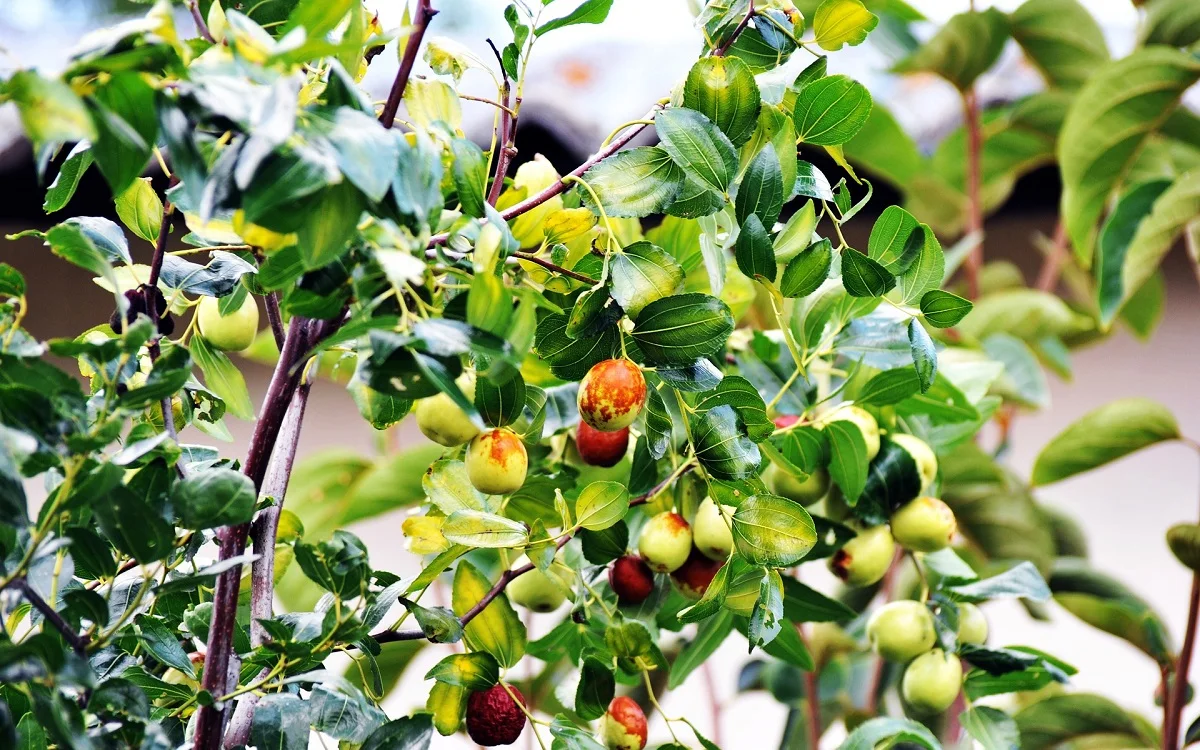
Ottobre, il mese in cui si assapora la propria casa perché le giornate si sono accorciate, la nebbia avvolge il paesaggio e l’aria fredda ricorda che l’inverno si sta avvicinando.
Questo è il mese in cui vengono raccolti gli ultimi frutti che la natura dona prima di concedersi “il meritato riposo”.
Fra questi la giuggiola. Il raccolto inizia da metà ottobre fino ai primi di novembre.
E… avvolti nella calda coperta, leggendo un libro o guardando un film, mangiare qualche giuggiola al posto delle patatine o dei popcorn potrebbe essere una idea.
L’albero delle giuggiole è, mi si permetta di dirlo, un albero dimenticato.
E’ difficile ammirarlo nei giardini o lungo i viali, questo perché non viene più messo a dimora, non lo si considera di “bella vista”.
Secondo me invece merita un posto e un’attenzione per la semplicità e la sua forma stretta.
Se dovessi avere la fortuna di avere un giardino certamente gli riserverò un posto d’onore.
Quest’albero ha una lunga storia. Si narra che furono i Romani, a seguito del loro ritorno dalle campagne militari dell’Egitto, a portarlo in Italia.
Un’altra versione dice invece che questo albero è originario dall’Asia e fu Marco Polo che lo portò a Venezia e da qui fu poi piantato in tutta Italia.
Poi… la pianta cadde in oblio, continuò ad essere coltivata ma senza interesse.
Nel Rinascimento con i Gonzaga venne rivalutata perché con essa fecero un liquore,: il famoso liquore brodo di giuggiole.
Il termine brodo non lo si deve intendere come liquido bollito con l’aggiunta di verdure.
Il brodo di giuggiole sta ad indicare una bevanda molto saporita, molto avvolgente che con i suoi sapori conquista, ammanta in un piacevole gusto il nostro palato.
Per il brodo di giuggiole servono più ingredienti.
La ricetta la si trova nel link: sapori di cibi.
Il brodo di giuggiole è un liquore a bassa gradazione alcolica.
Lo si può bere così oppure riscaldato nei periodi freddi. Lo si può usare in pasticceria per dare profumo ai dolci.
Le giuggiole si mettono anche sotto grappa e si consumano a fine pasto.
Oltre a questo c’è un’altra particolarità di utilizzo delle giuggiole.
Con esse si fanno i cioccolatini.
Invece si inserire in questi la classica ciliegia, le ditte, di solito a conduzione familiare di Arquà Petra, li confezionano con le giuggiole.
Il termine “brodo di giuggiole” sta a significare anche gioia. E’ un modo di dire, qui in Veneto per esprimere tale sentimento.
Come ho detto sopra, la pianta non è molto diffusa e a fatica le persone la riconoscono.
L’albero non è molto alto. La sua altezza al massimo è sui cinque metri. Ha foglie piccole, caduche, ha rami nodosi. Subito i suoi frutti sono verdi, poi diventano marroni e ha un nocciole al suo interno.
Per dare l’idea il suo frutto è più piccolo di una oliva.
Quando è al culmine della maturazione la sua polpa ha il gusto di una mela e poi quando si raggrinza la sua dolcezza aumenta.
C’è un luogo della Regione Veneto dove l’albero è coltivato in larga estensione ed è sui colli Euganei, in particolar modo ad Arquà Petrarca.
Si pensi che qui gli alberi sono addirittura secolari, quindi coltivati da generazione in generazione.
La pianta è bene augurante e nel tempo dei Roman con essa si adornavano gli altari della Dea Prudenza.
Jujubes
October, the month when one savors the comfort of home as the days have shortened, fog envelops the landscape, and the cold air reminds us that winter is approaching. This is the month when the last fruits that nature bestows are harvested before taking their "well-deserved rest." Among these is the jujube. The harvest begins in mid-October and lasts until early November. And… wrapped in a warm blanket, reading a book or watching a movie, eating some jujubes instead of chips or popcorn could be an idea. The jujube tree is, if I may say so, a forgotten tree. It is challenging to admire it in gardens or along the avenues because it is no longer planted, not considered "visually pleasing." In my opinion, it deserves a place and attention for its simplicity and narrow shape. If I were fortunate enough to have a garden, I would certainly reserve a place of honor for it. This tree has a long history. It is said that the Romans, upon their return from military campaigns in Egypt, brought it to Italy. Another version claims that this tree is native to Asia, and it was Marco Polo who brought it to Venice, from where it was then planted throughout Italy. Then… the plant fell into obscurity, continued to be cultivated but without much interest. In the Renaissance, with the Gonzaga family, it was revalued because they made a liqueur with it: the famous jujube broth liqueur. The term "broth" should not be understood as a liquid boiled with the addition of vegetables. Jujube broth indicates a very flavorful, very enveloping beverage that conquers, envelops our palate in a pleasant taste. Jujube broth requires several ingredients. The recipe can be found in the link: flavors of foods. Jujube broth is a low-alcohol liqueur. It can be drunk as it is or heated in cold periods. It can be used in pastry to give fragrance to desserts. Jujubes are also placed in grappa and consumed at the end of a meal. In addition to this, there is another peculiar use of jujubes. They are used to make chocolates. Instead of the classic cherry, usually family-run companies in Arquà Petrarca pack them with jujubes. The term "jujube broth" also means joy. It is a way of expressing this feeling here in Veneto. As I mentioned above, the plant is not very widespread, and people hardly recognize it. The tree is not very tall. Its height at most is about five meters. It has small, deciduous leaves, and knotty branches. Its fruits are initially green, then turn brown, and it has a pit inside. To give an idea, its fruit is smaller than an olive. When it reaches full maturity, its pulp tastes like an apple, and as it shrivels, its sweetness increases. There is a place in the Veneto region where the tree is extensively cultivated, and it is in the Euganean Hills, especially in Arquà Petrarca. Consider that here the trees are even centuries-old, cultivated from generation to generation. The plant is considered auspicious, and during the time of the Romans, altars of the Goddess Prudence were adorned with it.
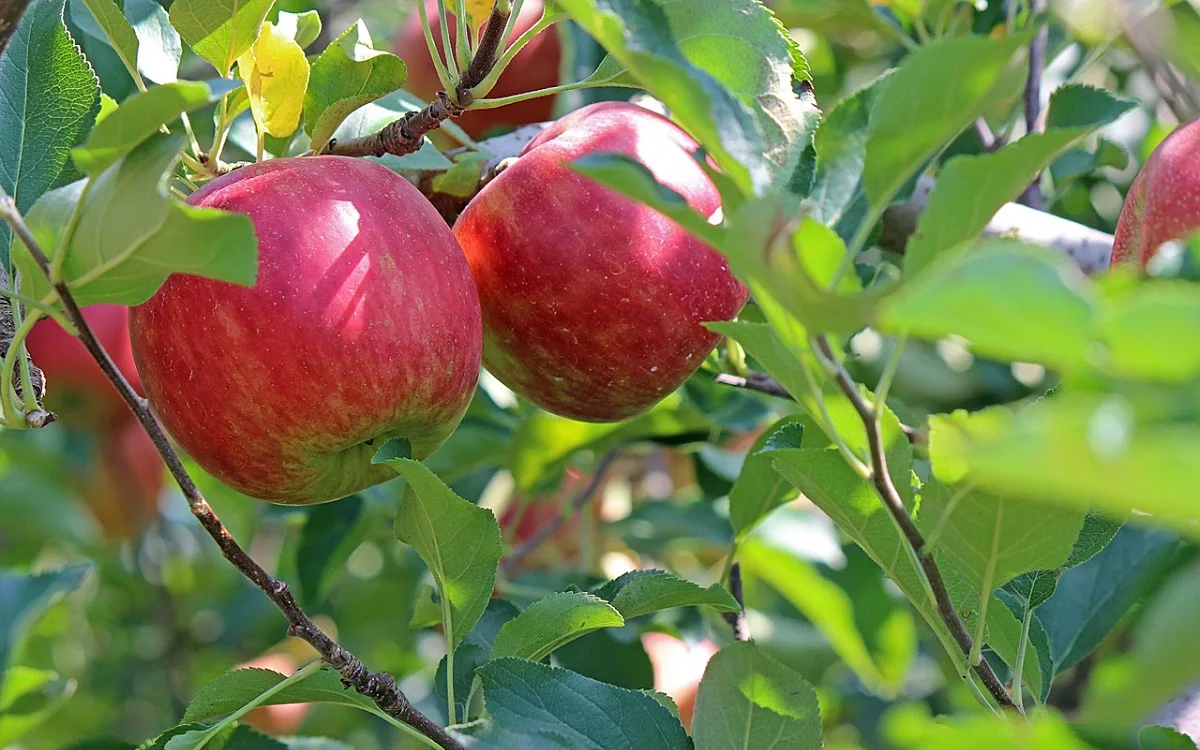 La mela Fuji di Verona
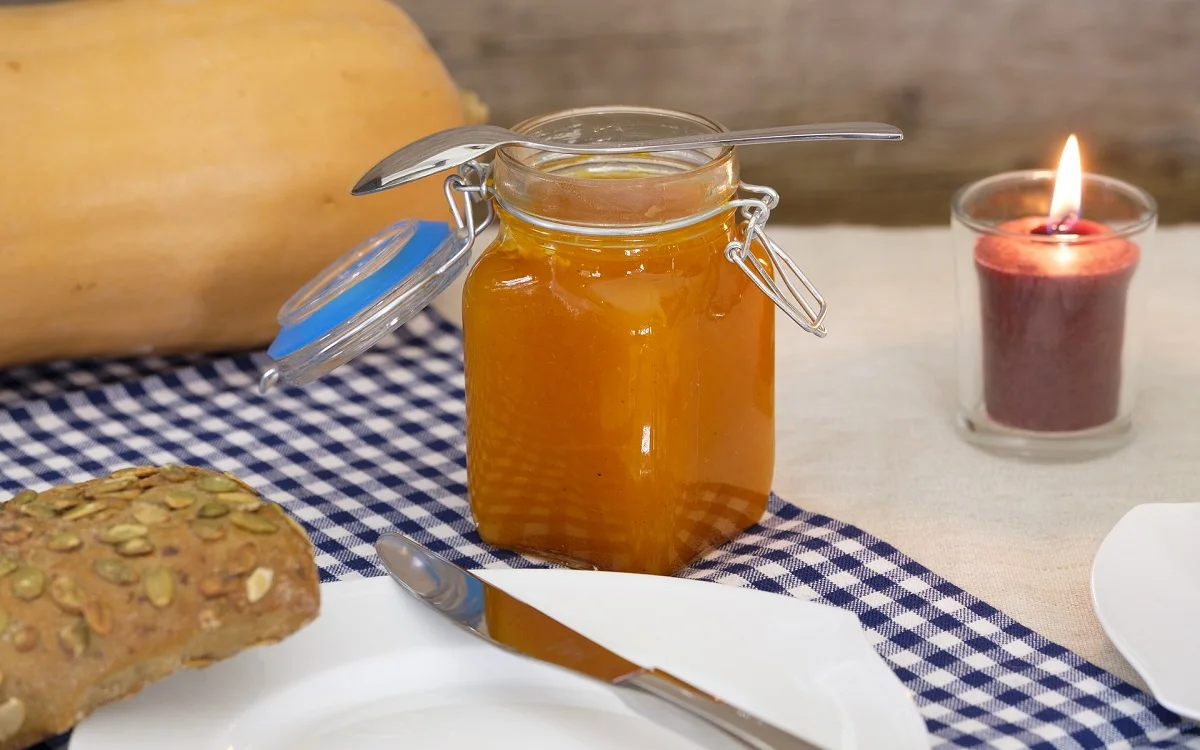 Marmellata di zucca
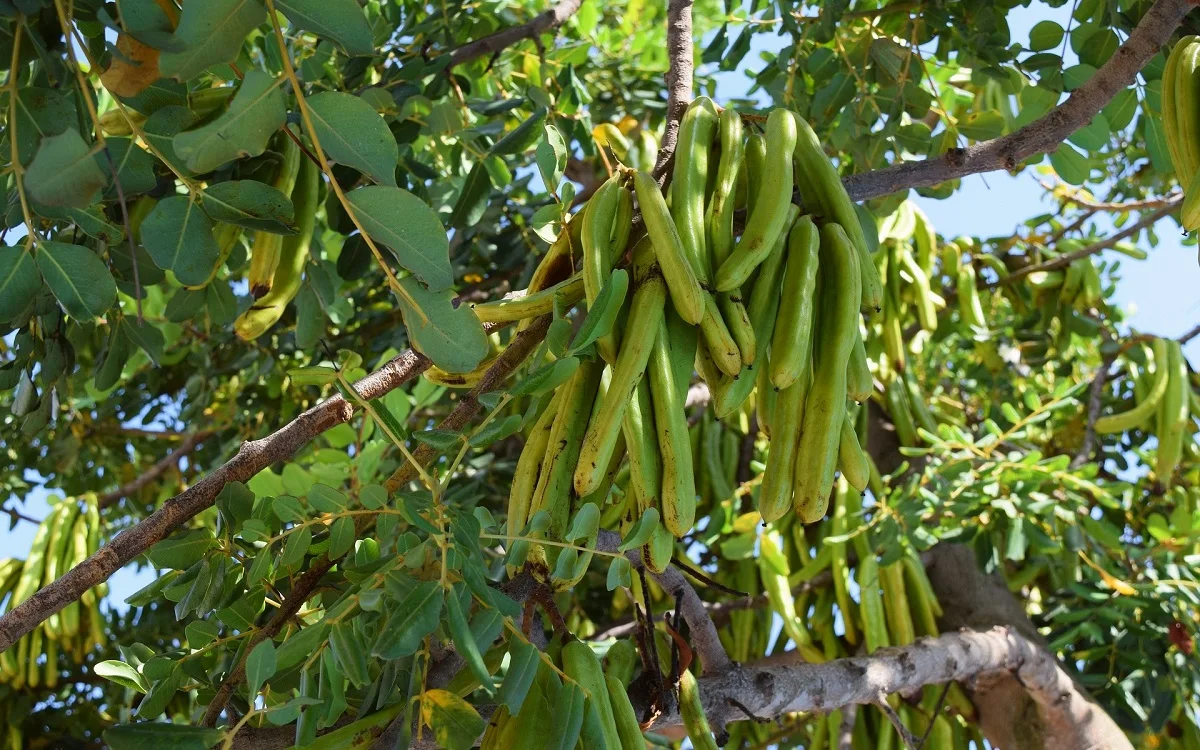 Le carrube: albero e frutti dimenticati